Selecting the most appropriate dentures depends on several clinical factors, including the number and position of missing teeth, gum health, and jawbone condition. Your bite, lifestyle, and personal expectations are also carefully considered. During your consultation, your dentist will carry out a detailed oral examination, which may include digital scans or X-rays, to assess suitability and plan treatment safely and accurately.
For patients who have lost all their teeth, complete dentures are used to replace an entire upper or lower arch, helping restore chewing function, speech, and facial support. Where some natural teeth remain, partial dentures are recommended. These are designed to fit securely alongside existing teeth while maintaining a natural appearance.
We also provide clear aftercare guidance to support long-term comfort and performance. This includes advice on cleaning, maintenance, and regular check-ups to ensure your dentures continue to fit well and support your oral health.
What are the advantages of implant-retained dentures?
Most denture wearers will agree that the main disadvantage of regular dentures is that they often shift position. This causes discomfort, affects speech, and limits the types of food you can eat. Implant-retained dentures have several advantages, including:
- They feel more like your natural teeth.
- You can eat crunchy foods such as apples or raw carrots as they are more secure.
- Up to 100% of your mouth’s chewing capability can be restored.
- They are more comfortable to wear.
- There is no need for any dental adhesives.
- Your gums won’t become sensitive because of denture movement.
- Dental implants can prevent further bone density loss.
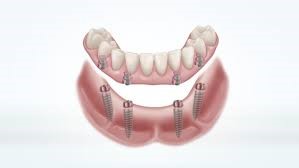
Choosing the right type of denture
Selecting the most suitable denture depends on several factors, including the number of missing teeth, gum and jawbone health, and your personal preferences. During your consultation, your dentist will carry out a full oral examination and discuss your treatment goals to help determine the most appropriate option. This careful planning helps ensure your dentures are comfortable, functional, and long-lasting.
Patients who have lost all of their teeth may benefit from complete dentures, which replace an entire arch and help restore chewing ability, speech, and facial support. Partial dentures are used when some natural teeth remain and are designed to fit alongside existing teeth for a natural appearance.
Adjusting to new dentures
Most patients require a short adjustment period. Your speech may feel slightly different at first as your tongue and lips adapt to the new shape in your mouth. You may also notice increased saliva, which usually settles naturally after a short time.
Some gum tenderness is normal after fitting, especially in areas where the denture applies pressure. A simple adjustment appointment can usually resolve this. Please contact the practice if soreness continues beyond two weeks.
Long-term care and maintenance
Over time, natural changes in the gums and jaw can affect how dentures fit. Regular reviews allow your dentist to assess the fit and condition and decide if relining, repair, or replacement is needed. Well-maintained dentures can provide reliable comfort and function for many years.
For patients with implant-retained dentures, routine monitoring of both the dentures and implants is important. Maintaining good oral hygiene helps protect the implants and supports long-term success.
If you are considering dentures in Bedford, we can arrange a consultation with you, which will allow you to discuss all available options and make an informed decision based on your individual needs. Get in touch with us today.
FAQs
Dentures can last several years, depending on wear and changes in your mouth. Regular check-ups help keep them fitting comfortably and working well.
Yes, implant-retained dentures are fixed in place for improved stability. This can make eating and speaking feel more natural compared to traditional dentures.
Yes, a short adjustment period is normal as your mouth adapts. Most patients settle in quickly with only minor changes in speech or comfort.
Yes, we offer repairs and relines for dentures in Bedford to help extend their life and improve fit. Book a review appointment, and we’ll assess what’s needed.
The cost of dentures depends on the type you need and the materials used. We’ll provide a clear, personalised quote after your consultation so there are no surprises.